 Skip to content
 When you visit world-renowned reserves such as the Serengeti National Park or the Maasai Mara National Reserve, your park fees and conservation levies directly support:
Safari tourism is one of the strongest economic arguments for wildlife protection. In many regions of Tanzania and Kenya, conservation areas compete with agriculture and development for land use.
When wildlife generates income through responsible safari travel, it becomes more valuable alive than lost.
Tourism doesn’t just observe wildlife it protects it.
A safari lodge in the African wilderness is a hub of opportunity.
Your safari booking helps employ:
Many eco safari lodges prioritize hiring from nearby communities, ensuring tourism revenue remains local.
In rural areas where employment options can be limited, safari tourism creates stable income, professional training, and long-term career pathways.
When you choose a responsible African safari, you are directly supporting families and strengthening local economies.
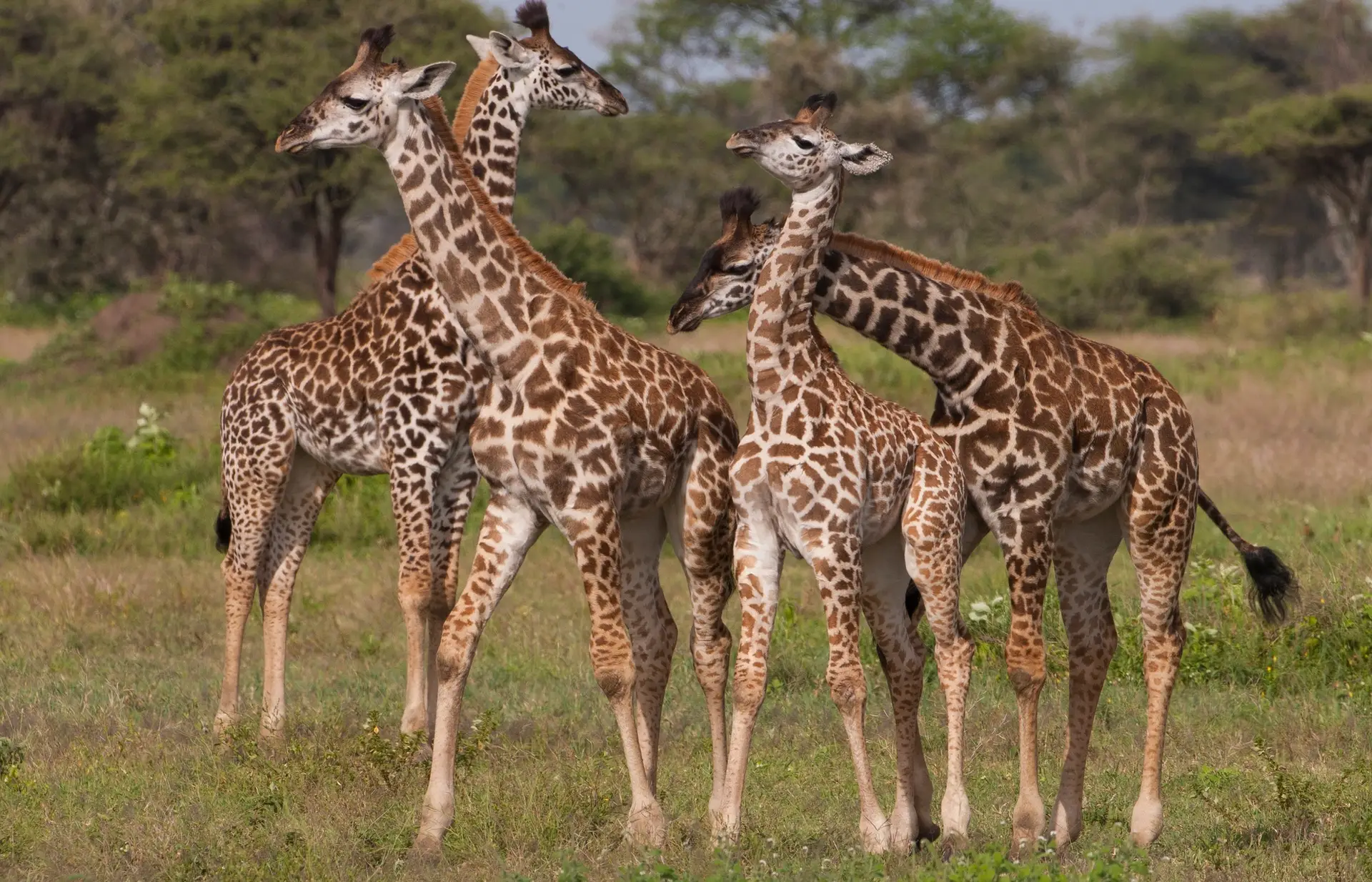
Sustainable safari tourism often extends beyond the lodge gates.
In regions surrounding the Ngorongoro Conservation Area, tourism revenue contributes to:
Community investment builds trust between conservation areas and neighboring villages.
When local communities benefit from wildlife tourism, conservation becomes a shared mission rather than an external restriction.
One of the most innovative conservation models in East Africa is the community conservancy system.
Near Amboseli National Park, local landowners lease land for wildlife protection in partnership with safari operators.
This approach:
Your safari stay may directly fund annual land lease payments, ensuring these ecosystems remain protected for future generations.
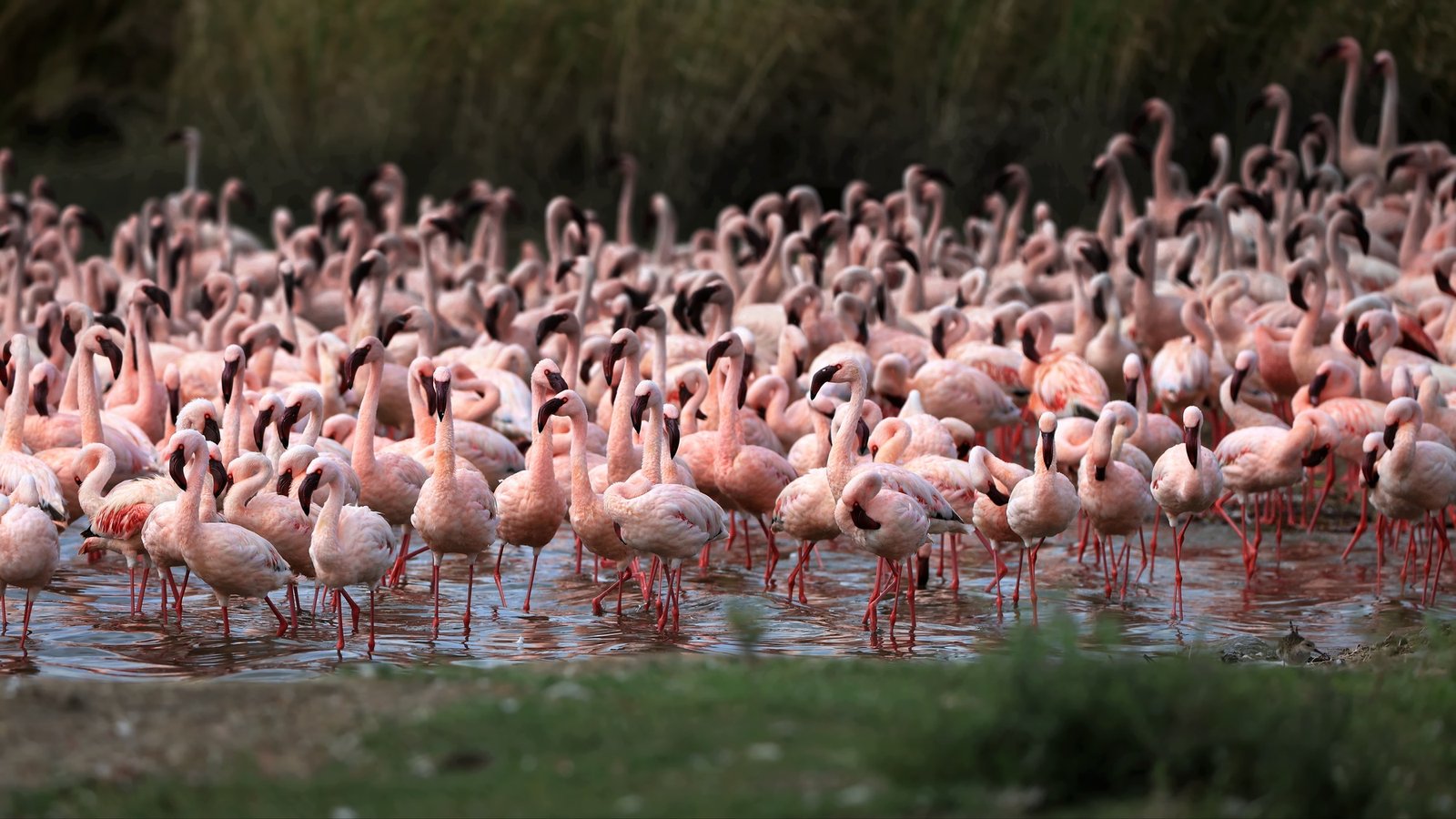
Modern luxury safari camps are increasingly designed with sustainability in mind.
Responsible safari operators invest in:
Running an eco-conscious lodge in a remote wilderness environment requires significant investment. Safari tourism helps fund infrastructure that minimizes environmental impact while maintaining world-class comfort.
Sustainability is no longer optional — it is central to the future of African safari travel.
Beyond hospitality and infrastructure, safari revenue also supports:
By investing in education and professional development, safari tourism builds local expertise and strengthens long-term conservation leadership.
The impact of your safari extends far beyond wildlife sightings.
Your journey supports:
This ripple effect creates a powerful conservation economy — one where protecting wildlife supports entire communities.
Not all safaris contribute equally.
When selecting your African safari experience, consider:
A responsible safari ensures your travel investment supports both people and planet.
When you sit quietly in an open vehicle at sunrise, watching a leopard disappear into tall grass, the moment feels timeless.
But that moment is made possible by conservation funding, ranger patrols, community partnerships, and sustainable tourism systems working behind the scenes.
An African safari is not just an adventure.
It is participation in protecting one of the world’s greatest natural treasures.
Beyond the game drive, your safari money helps preserve wildlife, empower communities, and safeguard Africa’s wild landscapes for generations to come.
And that is a legacy worth traveling for.
Let us tailor you dream safari!
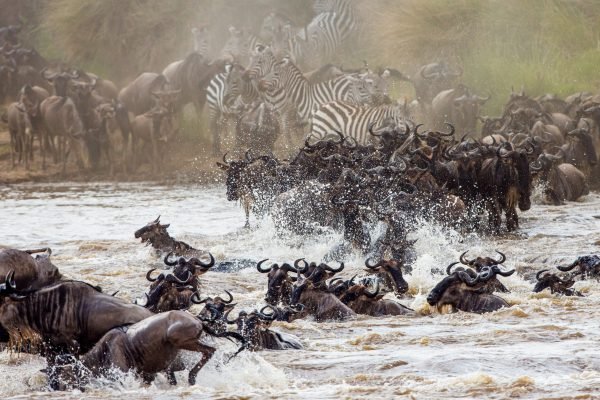
Join Benson Safaris for a 6 day adventure in Tanzania’s Serengeti, witnessing the awe-inspiring Wildebeest Migration with prime viewing spots guaranteed.
Discover Tanzania’s wildlife wonders with our 5-day budget safari. Choose mid-range camping or lodge for budget-friendly comfort and adventure.
Embark on a 5-day Tanzanian adventure in the Serengeti and Ngorongoro Crater, choosing tented camp or mid-range lodge accommodations. Cherish the journey.
EXCELLENT Based on 141 reviews
 Posted on Tripadvisor
 Faris K23 September 2026Amazing Kilimanjaro climb with this team My wife and I went on the Kilimanjaro climb, through the Machame route, and the Benson Safaris team, including the guides and the rest of the crew, were amazing people. We have traveled a lot and have been to many countries, but this team were the best. We felt very welcomed and supported throughout the multi-day hike. We had a great summit experience and a great celebration from the team after that. We will definitely go on the safari adventure with them. Genuinely great people.Posted on Tripadvisor
 River H22 September 2026responsible, responsive will remember our safari forever! Carlos was such a nice, responsible, and experienced guide. We had a pleasant 7 days with him. Fortune was very responsive and helpful when we were first looking into the itenerary. Overall good experience.Posted on Tripadvisor
 Martha A.17 September 2026Once in a lifetime safari We had a great time during our safari with Benson Safaris. From the very beginning Fortune was helpful and attentive, helping us to design our itinerary and adjust it to our budget and preferences. We did a cross country safari and had two guides, Edmund in Kenya and Carlos in Tanzania. They both were kind, knowledgeable and always willing to go the extra mile to make our trip memorable. They have different personalities, naturally, but share the same sense of commitment and love for their work. I will always remember this experience and will be grateful to them for it.Posted on Tripadvisor
 tom w29 August 2026four day safari across the Serengeti and Ngorongoro Crater As a trip of a lifetime for the family, this safari had to be extra special and Benson Safaris ensured that every step of the way we were given one of the most amazing experiences we will ever have. From shaping the right trip for us, to pre-planning check lists to the most wonderfully warm and experienced staff, I cannot speak highly enough of the service we had. We deliberately chose a local operator, not only to support local businesses but to also have a more personal touch. Dolphine was always on hand to answer any queries while our guide Liberatus was so friendly and immensely experienced (he's been driving safaris for more than 15 years) - giving us confidence that we would have the best wildlife sightings timed to avoid the larger crowds. He even managed to find us two sightings of leopards, which are notoriously hard to spot! The children gave up the count of the number of different species we saw at 30 plus but the incredible images and memories of four days on the Serengeti and Ngorongoro Crater will stay with us forever.Posted on Tripadvisorashrique F21 August 2026Ashrique & Krishna We travelled with Benson Safaris for our Kenya and Tanzania trip, and honestly, it was one of the best travel experiences we’ve had. From the start, the whole trip was very well planned. We crossed the Kenya–Tanzania border and then came back into Kenya, and all the immigration and border formalities were surprisingly smooth. The team was always there to guide us and help whenever needed, which made a big difference. The accommodations were another highlight. We stayed at some really beautiful places, but Olerai Lodge, Friends Camp and Khumbu Khumbu Luxury Resorts deserve a special mention. Each one had its own charm, and the food throughout the trip was genuinely excellent. After spending hours out on safari, coming back to a good meal and a comfortable place to stay was something we really appreciated. Our guides, Martin and Zab, were a huge part of what made the trip special. Martin was very knowledgeable and patient, and you could tell that he genuinely enjoyed what he was doing. And then there was Zab — the Mayor of Serengeti! Honestly, I’m not sure how the trip would have been without him. He talked constantly, cracked jokes, knew everyone we came across, and somehow always seemed to know where the animals were. But beyond being a great guide, he became a friend during the trip. Some of our best memories are simply from sitting in the jeep listening to Zab talk about life, the Serengeti and pretty much everything else. He has this wonderful way of looking at life — simple, positive and full of humour. By the end, it felt less like we had hired a guide and more like we were travelling around with a friend who happened to know the Serengeti incredibly well. The actual safari experience was unbelievable. The Great Migration, the river crossings, lions, cheetahs, leopards, elephants, zebras, wildebeests, hippos and all the smaller animals in between — there was something new every single day. What I really liked was that the guides didn’t just point out animals; they helped us understand what was happening around us and how the whole ecosystem fits together. We did this trip to celebrate our first wedding anniversary, so it was already going to be a special trip for us. But Benson Safaris and the team made it much more memorable than we expected. A big thank you to everyone at Benson Safaris, to Martin, and especially to Zab, the Mayor of Serengeti, for making this such an incredible experience. We would happily travel with Benson Safaris again. And if we do make it back to the Serengeti someday, I really hope the Mayor is still around to show us around.Posted on Tripadvisor
 Mobile73260416 August 2026Absolute Dream Safari! Flawless Logistics, Upgrades and the Best Guide Wow, what an absolutely mind-blowing experience with Benson’s Safari! From the very first email to our final goodbye, they were spectacular every single step of the way. Fortune was our superstar booking agent. She custom-crafted multiple incredible options for us and pulled off absolute magic by scoring us last-minute upgrades at three of our hotels! Our guide, Zablone, was a true legend. He drove us from Arusha all the way to the Northern Serengeti with so much pride and enthusiasm. He went completely above and beyond, working tirelessly to ensure we witnessed a breathtaking river crossing. It was unforgettable! We felt completely taken care of because Benson's had a dedicated representative with us at every single transition. We never had to stress about a single logistical detail. Do not hesitate for a second to book with them—they are the absolute best!Posted on Tripadvisor
 Kane9 August 2026GREAT!!! HAKUNA MATATA! We had an extraordinarily valuable experience on this trip. Grace was highly responsible and responded promptly to all our inquiries. Mr. Benson was humorous and engaging, and our guide, Carlos, was a true professional with exceptional expertise. On top of that, their quote was completely transparent with no hidden fees. I highly recommend them!Posted on Tripadvisor
 Suzanne D4 August 2026The Safari of a Lifetime - thanks to Benson We would highly recommend Benson! At first, we were a little hesitant about booking locally and paying the full amount in advance. However, from the very first moment, all our concerns disappeared. The communication was excellent, friendly, and professional. Our itinerary was completely tailored to our wishes and exceeded our expectations. Our first meeting with our guide, Zablon, immediately gave us confidence. He is incredibly experienced, knowledgeable, and passionate about wildlife and nature. Thanks to him, we enjoyed an unforgettable 9-day safari. The picnic lunches were perfectly arranged every day, and all of the accommodations were excellent. Everything was well organized and taken care of down to the smallest detail. Thanks to Benson and Zablon, we had the trip of a lifetime. If you're looking for a reliable company that creates a personalized safari experience with outstanding service, we can wholeheartedly recommend Benson.Posted on Tripadvisor
 Christine K3 August 2026Tanzania Safari Wonderful Safari. Guides were amazing. Knowledgeable, friendly and accommodating. Sites were just beautiful. We were able to get to see all the animals and stayed at many wonderful lodgesPosted on Tripadvisor
 DN31 July 2026Fijne en betrouwbare reisadviseur Benson is een serieuze en betrouwbare adviseur. Zeer goede ervaring met reisadviseur Fortune Hyasinti (Tour Consultant /Planner). Flexibel, meedenkend, prettig contact, reageert snel, professioneel. Aanrader!
WhatsApp us

